
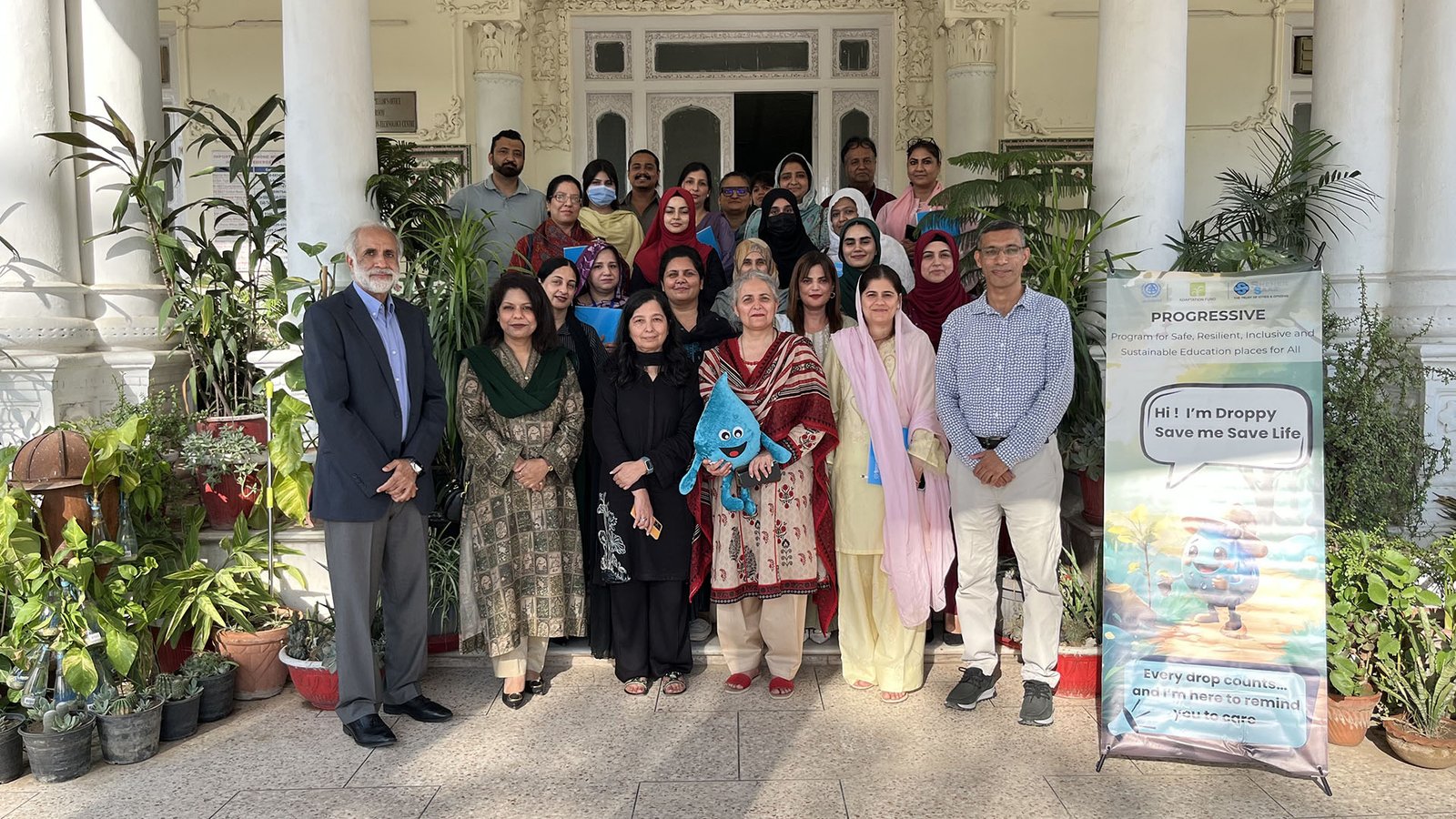
Women and Water: Rawalpindi Dialogue Highlights Gender Disparities in Water Governance
RAWALPINDI — Shehersaaz convened its inaugural session, on the Dialogue Series titled “Women and Water” at Fatima Jinnah Women University (FJWU), Rawalpindi. The symposium brought together academics, development practitioners, municipal authorities, researchers, and community champions to examine the gender dimensions of water governance and outline actionable strategies for urban climate resilience in Pakistan.
Organized under the Project for Urban Climate Change Adaptation and Resilience (PUCCAR), the event established a framework for evidence-based discussions on addressing water scarcity, drought, and flooding across vulnerable settlements in Rawalpindi and Nowshera.
Key Takeaway: Sustainable water management requires transitioning from superficial public awareness campaigns to long-term community ownership, backed by gender-disaggregated data and youth stewardship.
| Focus Area | Identified Deficit | Strategic Solution |
| Gender Inclusion in Decision-Making | Women manage daily domestic water needs but remain excluded from formal municipal planning. | Enforce direct participation of women in local water management boards and governance committees. |
| Urban Rainwater Harvesting | Higher adoption in rural zones compared to urban centers due to behavioral barriers. | Deploy household-level rainwater collection units supported by urban municipal incentives. |
| Behavioral & Incentive Models | Lack of sustained, generational resource conservation habits. | Integrate practical climate stewardship into primary school curricula and introduce water/energy credit systems. |
Future Trajectory
The session concluded with calls for formal partnerships between municipal authorities (such as WASA) and university researchers to design localized, gender-responsive water retention initiatives.
Following the conclusion of the Rawalpindi proceedings, the Shehersaaz Dialogue Series moves to Lahore for its second session on gender-inclusive water governance.