Shehersaaz and SOS Children’s Villages Pakistan Sign MoC to Advance Climate-Resilient Learning Spaces

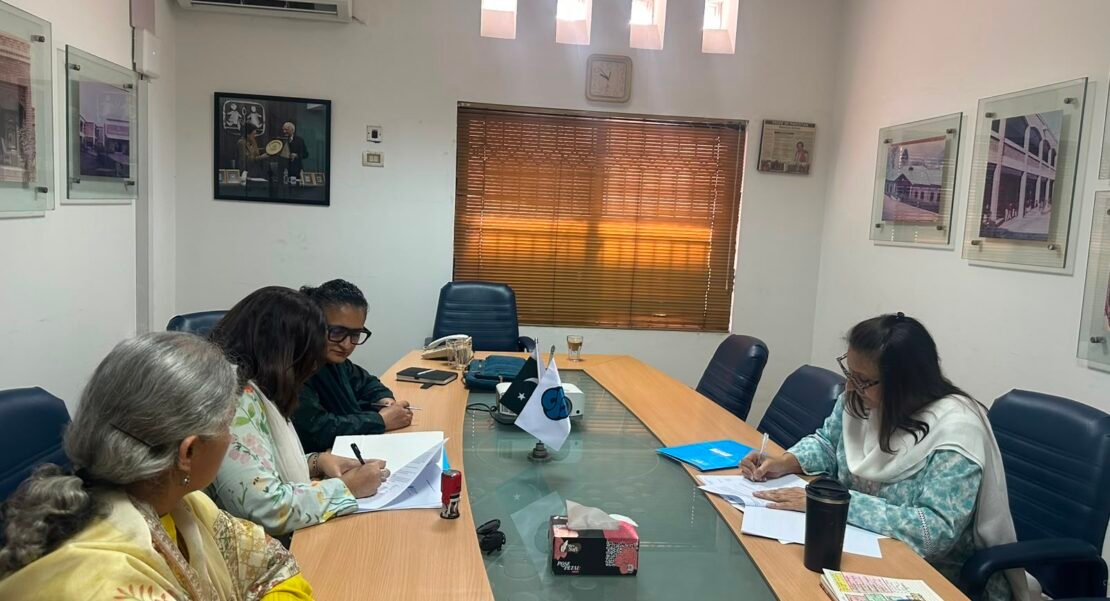
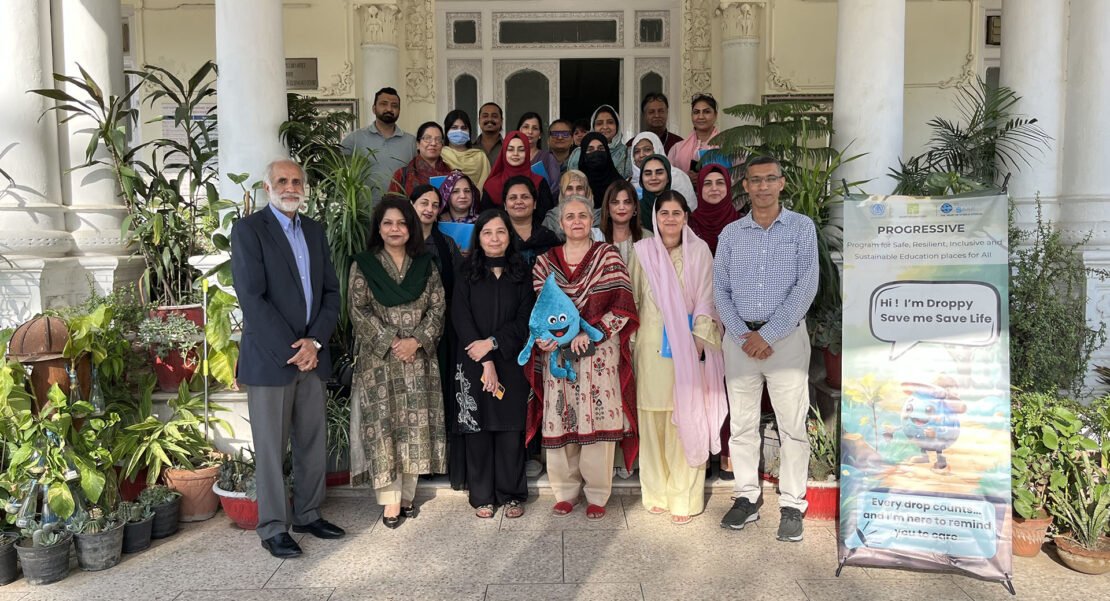
Shehersaaz has signed a Memorandum of Cooperation (MoC) with SOS Children's Villages Pakistan to implement climate adaptation interventions at SOS Children's Home, Rawalpindi, under the PROGRESSIVE Programme supported by the Project for Urban Climate Change Adaptation and Resilience (PUCCAR).

The collaboration will introduce practical climate resilience measures, including the installation of a rainwater harvesting unit, developing kitchen garden, awareness and capacity-building activities, and technical support to create safer, more sustainable educational environments. The partnership also reinforces commitments to child safeguarding, environmental sustainability, and community resilience while contributing to long-term climate adaptation efforts in Pakistan. Stay tuned while we begin another intervention of hope, growth and resilience.
Women and Water: Lahore Dialogue Advances Gender-Responsive Solutions for Water Security

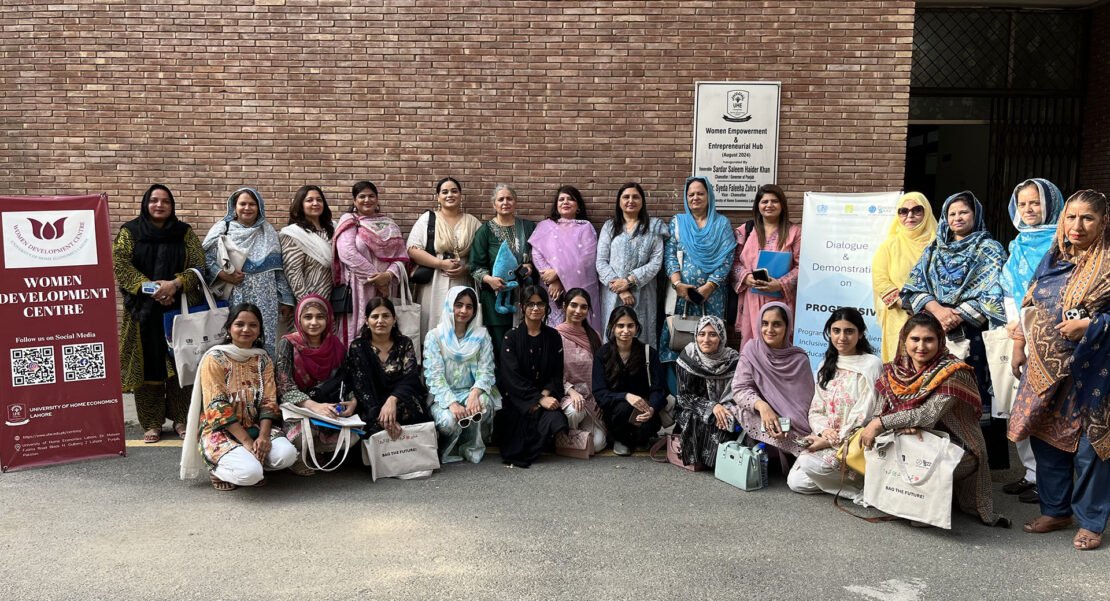
LAHORE — Continuing it’s national Dialogue Series 2026, Shehersaaz hosted its second session, "Women and Water," at the University of Home Economics (UHE), Lahore. Building on the findings of the inaugural Rawalpindi event, the dialogue gathered public officials, academics, civil society organizations, and local community members to analyze the gendered impacts of Pakistan's accelerating water crisis and evaluate municipal governance failures.

The conference was organized under the Project for Urban Climate Change Adaptation and Resilience (PUCCAR), focusing on gender-disaggregated environmental data, urban water contamination, and community-led conservation solutions.

Key Findings & Socio-Economic Impacts

Key Takeaway: Groundwater levels in major urban centers are falling by 3 feet per year, demanding immediate integration of rainwater capture infrastructure and enforceable municipal rationing.


Sector Identified Challenge Proposed Solution
Municipal Storage (WASA) Rapid groundwater depletion and storm runoff waste. Installation of underground water storage tanks and localized rainwater harvesting units.
Academic & Technological Research Drinking water contamination and non-biodegradable waste. Adoption of low-cost water purification technologies and eco-friendly alternatives.
Regulatory Frameworks Fragmented allocation post-18th Amendment and legislative voids. Enforcing strict volumetric water metering, city-level rationing, and legal inclusion of source regions (GB and AJK)

Community Action & Policy Next Steps

To promote ground-level conservation, Shehersaaz introduced "Droppy"—an educational mascot designed to teach children and communities practical water-saving habits. Leaders from WaterAid, WISE, Aurat Foundation, and WASA emphasized that long-term water security requires inclusive decision-making that integrates women, domestic workers, and marginalized groups.

The Shehersaaz Dialogue Series 2026 continues to hold its next session in Islamabad on July 23, focusing on “Housing Matters in the light of Youth” at LEADS University, Islamabad.

Women and Water: Rawalpindi Dialogue Highlights Gender Disparities in Water Governance

RAWALPINDIShehersaaz convened its inaugural session, on the Dialogue Series titled "Women and Water" at Fatima Jinnah Women University (FJWU), Rawalpindi. The symposium brought together academics, development practitioners, municipal authorities, researchers, and community champions to examine the gender dimensions of water governance and outline actionable strategies for urban climate resilience in Pakistan.

Organized under the Project for Urban Climate Change Adaptation and Resilience (PUCCAR), the event established a framework for evidence-based discussions on addressing water scarcity, drought, and flooding across vulnerable settlements in Rawalpindi and Nowshera.

Key Takeaway: Sustainable water management requires transitioning from superficial public awareness campaigns to long-term community ownership, backed by gender-disaggregated data and youth stewardship.


Focus Area Identified Deficit Strategic Solution
Gender Inclusion in Decision-Making Women manage daily domestic water needs but remain excluded from formal municipal planning. Enforce direct participation of women in local water management boards and governance committees.
Urban Rainwater Harvesting Higher adoption in rural zones compared to urban centers due to behavioral barriers. Deploy household-level rainwater collection units supported by urban municipal incentives.
Behavioral & Incentive Models Lack of sustained, generational resource conservation habits. Integrate practical climate stewardship into primary school curricula and introduce water/energy credit systems.

Future Trajectory

The session concluded with calls for formal partnerships between municipal authorities (such as WASA) and university researchers to design localized, gender-responsive water retention initiatives.

Following the conclusion of the Rawalpindi proceedings, the Shehersaaz Dialogue Series moves to Lahore for its second session on gender-inclusive water governance.

World Environment Day 2026

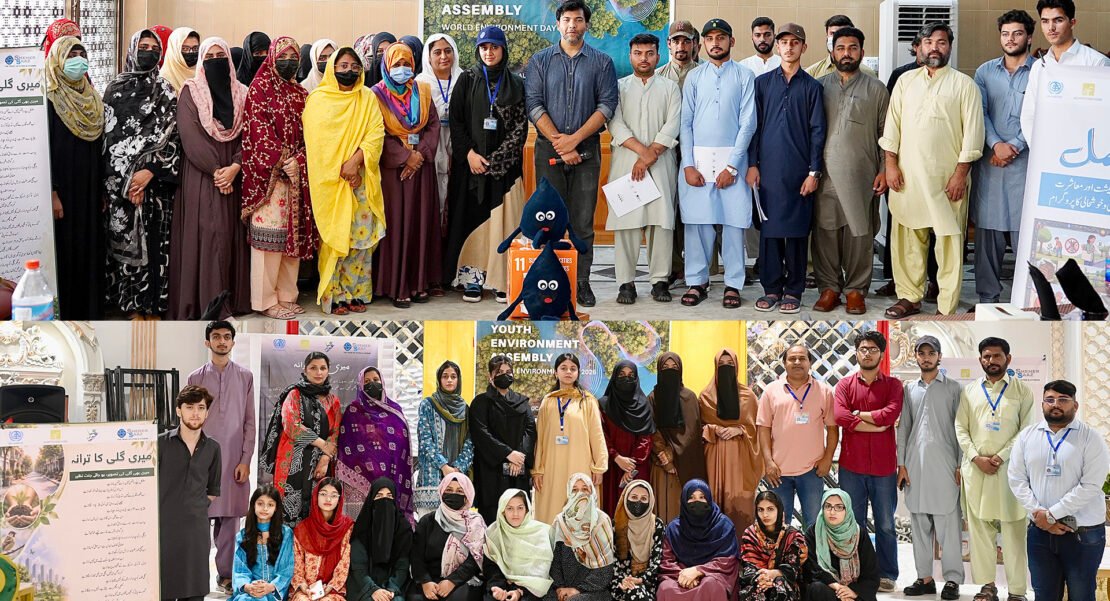
54 Youth Leaders from Rawalpindi and Nowshera Present Community-Driven Climate Solutions at Shehersaaz's Youth Environment Assembly 2026

On the occasion of World Environment Day 2026, under the global theme "Inspired by Nature, for Climate, for Our Future", Shehersaaz successfully organized the Youth Environment Assembly 2026 in Rawalpindi and Nowshera, providing a platform for young people to present innovative, community-driven solutions to pressing environmental challenges.

Held on 4 June 2026, the Assembly brought together 54 youth representatives from underserved communities, including 32 participants from 8 Neighborhood Councils in Nowshera and 22 participants from 7 Union Councils in Rawalpindi. The initiative empowered participants to identify environmental issues affecting their communities and transform their ideas into practical projects aimed at building more sustainable and climate-resilient neighborhoods.

During the Assembly, the participating youth submitted 54 project proposals, each reflecting local priorities and innovative approaches to addressing environmental concerns. The proposals covered a diverse range of issues, including solid waste management, water scarcity, pollution, climate adaptation, environmental awareness, community sustainability, and resilience-building.

The Youth Environment Assembly is a flagship initiative of Shehersaaz designed to engage young people in meaningful dialogue and action on environmental challenges. The platform recognizes youth as key stakeholders in shaping sustainable communities and enables them to contribute solutions based on their lived experiences and local knowledge.

The project ideas presented during the Assembly were developed through a series of preparatory engagements and orientation sessions conducted in both Rawalpindi and Nowshera, equipping participants with the guidance needed to convert community challenges into actionable proposals.

As part of its commitment to youth-led climate action, Shehersaaz announced that selected projects will receive technical support and financial assistance for implementation. Approved initiatives are expected to move into execution within the next 30 days, allowing young people to transform their ideas into tangible community interventions with measurable impact.
By investing in youth leadership and community-driven innovation, Shehersaaz continues to strengthen local resilience, promote environmental stewardship, and advance sustainable development across Pakistan, demonstrating that meaningful climate action begins with empowering the communities that experience these challenges firsthand.