Women and Water: Lahore Dialogue Advances Gender-Responsive Solutions for Water Security
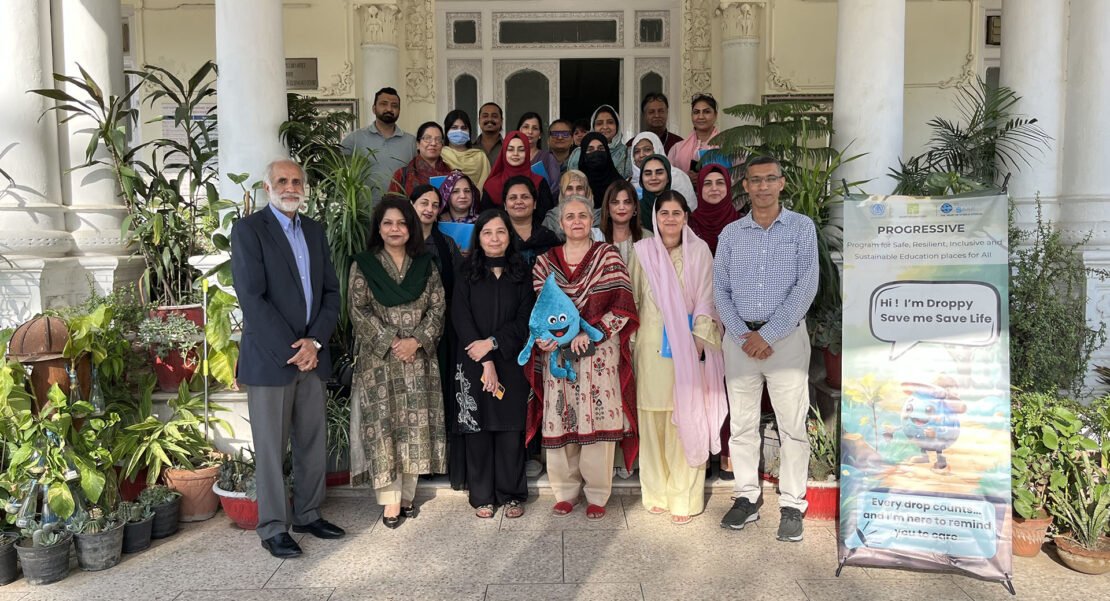
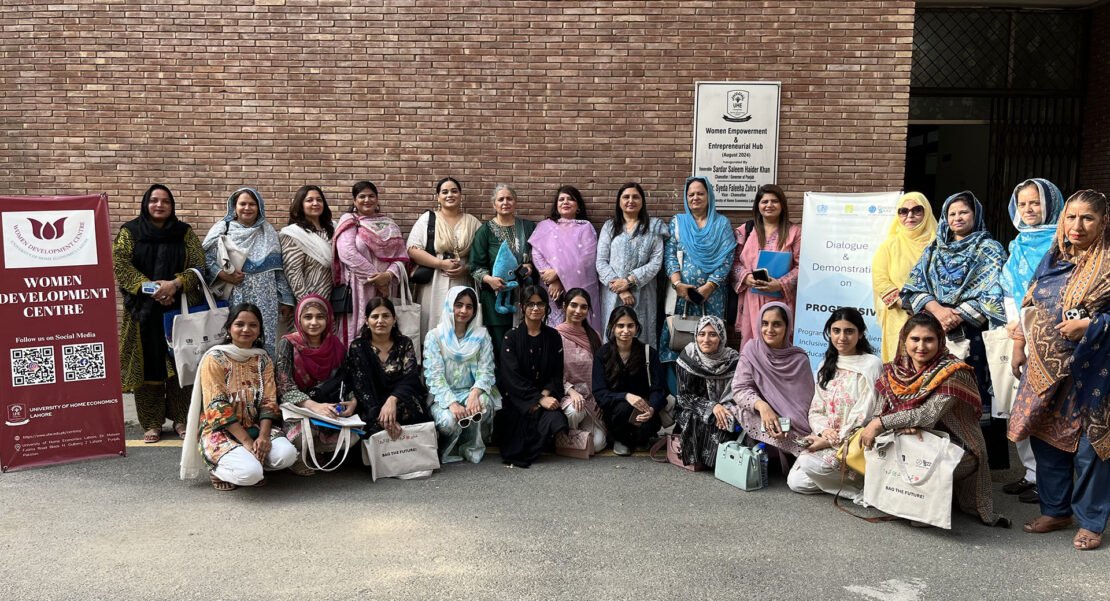
LAHORE — Continuing it’s national Dialogue Series 2026, Shehersaaz hosted its second session, "Women and Water," at the University of Home Economics (UHE), Lahore. Building on the findings of the inaugural Rawalpindi event, the dialogue gathered public officials, academics, civil society organizations, and local community members to analyze the gendered impacts of Pakistan's accelerating water crisis and evaluate municipal governance failures.
The conference was organized under the Project for Urban Climate Change Adaptation and Resilience (PUCCAR), focusing on gender-disaggregated environmental data, urban water contamination, and community-led conservation solutions.
Key Findings & Socio-Economic Impacts
Key Takeaway: Groundwater levels in major urban centers are falling by 3 feet per year, demanding immediate integration of rainwater capture infrastructure and enforceable municipal rationing.
Community Action & Policy Next Steps
To promote ground-level conservation, Shehersaaz introduced "Droppy"—an educational mascot designed to teach children and communities practical water-saving habits. Leaders from WaterAid, WISE, Aurat Foundation, and WASA emphasized that long-term water security requires inclusive decision-making that integrates women, domestic workers, and marginalized groups.
The Shehersaaz Dialogue Series 2026 continues to hold its next session in Islamabad on July 23, focusing on “Housing Matters in the light of Youth” at LEADS University, Islamabad.
The conference was organized under the Project for Urban Climate Change Adaptation and Resilience (PUCCAR), focusing on gender-disaggregated environmental data, urban water contamination, and community-led conservation solutions.
Key Findings & Socio-Economic Impacts
Key Takeaway: Groundwater levels in major urban centers are falling by 3 feet per year, demanding immediate integration of rainwater capture infrastructure and enforceable municipal rationing.
| Sector | Identified Challenge | Proposed Solution |
| Municipal Storage (WASA) | Rapid groundwater depletion and storm runoff waste. | Installation of underground water storage tanks and localized rainwater harvesting units. |
| Academic & Technological Research | Drinking water contamination and non-biodegradable waste. | Adoption of low-cost water purification technologies and eco-friendly alternatives. |
| Regulatory Frameworks | Fragmented allocation post-18th Amendment and legislative voids. | Enforcing strict volumetric water metering, city-level rationing, and legal inclusion of source regions (GB and AJK) |
Community Action & Policy Next Steps
To promote ground-level conservation, Shehersaaz introduced "Droppy"—an educational mascot designed to teach children and communities practical water-saving habits. Leaders from WaterAid, WISE, Aurat Foundation, and WASA emphasized that long-term water security requires inclusive decision-making that integrates women, domestic workers, and marginalized groups.
The Shehersaaz Dialogue Series 2026 continues to hold its next session in Islamabad on July 23, focusing on “Housing Matters in the light of Youth” at LEADS University, Islamabad.