Women and Water: Lahore Dialogue Advances Gender-Responsive Solutions for Water Security

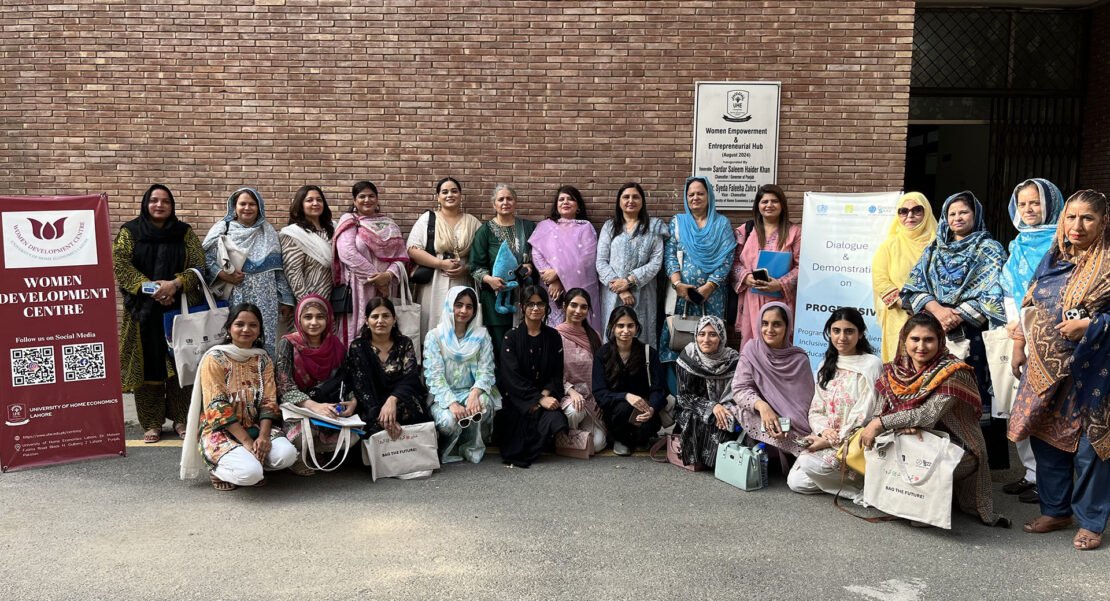
LAHORE — Continuing it’s national Dialogue Series 2026, Shehersaaz hosted its second session, "Women and Water," at the University of Home Economics (UHE), Lahore. Building on the findings of the inaugural Rawalpindi event, the dialogue gathered public officials, academics, civil society organizations, and local community members to analyze the gendered impacts of Pakistan's accelerating water crisis and evaluate municipal governance failures.

The conference was organized under the Project for Urban Climate Change Adaptation and Resilience (PUCCAR), focusing on gender-disaggregated environmental data, urban water contamination, and community-led conservation solutions.

Key Findings & Socio-Economic Impacts

Key Takeaway: Groundwater levels in major urban centers are falling by 3 feet per year, demanding immediate integration of rainwater capture infrastructure and enforceable municipal rationing.


Sector Identified Challenge Proposed Solution
Municipal Storage (WASA) Rapid groundwater depletion and storm runoff waste. Installation of underground water storage tanks and localized rainwater harvesting units.
Academic & Technological Research Drinking water contamination and non-biodegradable waste. Adoption of low-cost water purification technologies and eco-friendly alternatives.
Regulatory Frameworks Fragmented allocation post-18th Amendment and legislative voids. Enforcing strict volumetric water metering, city-level rationing, and legal inclusion of source regions (GB and AJK)

Community Action & Policy Next Steps

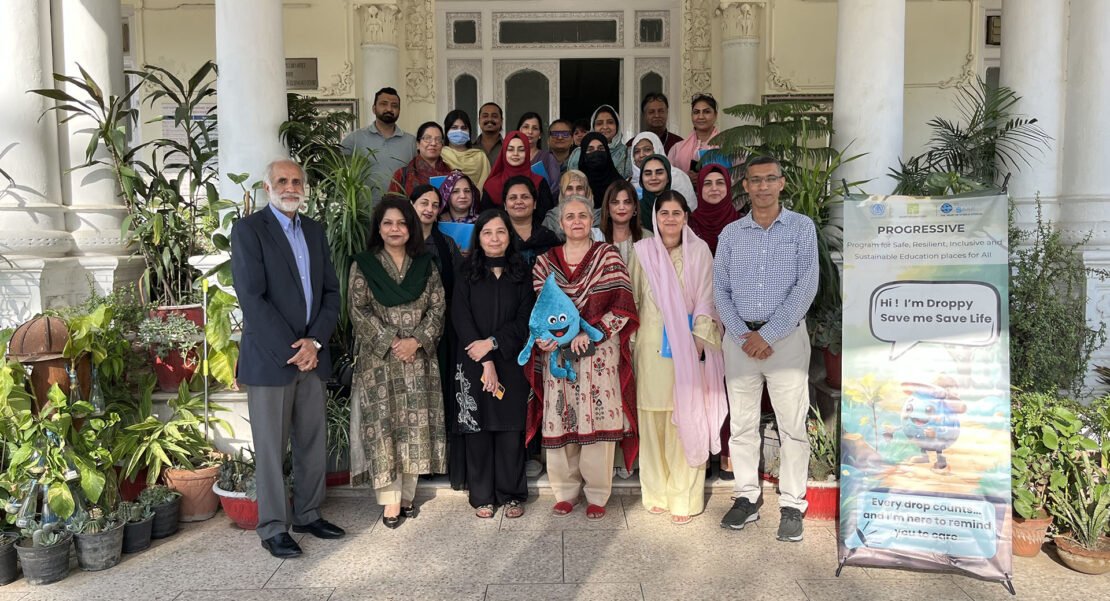
To promote ground-level conservation, Shehersaaz introduced "Droppy"—an educational mascot designed to teach children and communities practical water-saving habits. Leaders from WaterAid, WISE, Aurat Foundation, and WASA emphasized that long-term water security requires inclusive decision-making that integrates women, domestic workers, and marginalized groups.

The Shehersaaz Dialogue Series 2026 continues to hold its next session in Islamabad on July 23, focusing on “Housing Matters in the light of Youth” at LEADS University, Islamabad.
Women and Water: Rawalpindi Dialogue Highlights Gender Disparities in Water Governance

RAWALPINDIShehersaaz convened its inaugural session, on the Dialogue Series titled "Women and Water" at Fatima Jinnah Women University (FJWU), Rawalpindi. The symposium brought together academics, development practitioners, municipal authorities, researchers, and community champions to examine the gender dimensions of water governance and outline actionable strategies for urban climate resilience in Pakistan.

Organized under the Project for Urban Climate Change Adaptation and Resilience (PUCCAR), the event established a framework for evidence-based discussions on addressing water scarcity, drought, and flooding across vulnerable settlements in Rawalpindi and Nowshera.

Key Takeaway: Sustainable water management requires transitioning from superficial public awareness campaigns to long-term community ownership, backed by gender-disaggregated data and youth stewardship.


Focus Area Identified Deficit Strategic Solution
Gender Inclusion in Decision-Making Women manage daily domestic water needs but remain excluded from formal municipal planning. Enforce direct participation of women in local water management boards and governance committees.
Urban Rainwater Harvesting Higher adoption in rural zones compared to urban centers due to behavioral barriers. Deploy household-level rainwater collection units supported by urban municipal incentives.
Behavioral & Incentive Models Lack of sustained, generational resource conservation habits. Integrate practical climate stewardship into primary school curricula and introduce water/energy credit systems.

Future Trajectory

The session concluded with calls for formal partnerships between municipal authorities (such as WASA) and university researchers to design localized, gender-responsive water retention initiatives.

Following the conclusion of the Rawalpindi proceedings, the Shehersaaz Dialogue Series moves to Lahore for its second session on gender-inclusive water governance.
Shehersaaz Reaches New Milestone in Climate Adaptation with Successful PROGRESSIVE Program Handover

Shehersaaz Reaches New Milestone in Climate Adaptation with Successful PROGRESSIVE Program Handover

Shehersaaz, accomplished yet another milestone by successfully concluding its PROGRESSIVE program, for which a ceremony was held in Rawalpindi. This included a formal handing over of Rainwater Harvesting Units to 18 government schools-a new benchmark toward climate-resilient and eco-sensitive learning spaces.

This occasion brought together officials from the education department, school principals, project teams, and community partners, and other stakeholders to celebrate this milestone. The CEO, District Education Authority Rawalpindi, Tariq Mehmood appreciated Shehersaaz for being a strong advocate of sustainable education through strengthening school-level resilience via practical community-centered solutions.

Project Manager Dr. Beenish gave an insightful overview of the PROGRESSIVE initiative within the project PUCCAR. She explained how each Rainwater Harvesting Unit was designed, installed, and integrated within school routines for better water security and increased environmental awareness among students and teachers alike.

A dynamic question-and-answer session with on-site engineer Abdullah further highlighted technical processes, key challenges, and the collaboration that shaped the success of the program.

The Disaster Risk Reduction component in the PROGRESSIVE program is very robust, preparing the students for real-life challenges. Specifically targeted trainings in first aid, solid waste management, and care for the environment have equipped the students with the skills to segregate wastes, produce compost, and establish kitchen gardens in their respective schools. All these activities give hands-on practice to the students while building a culture of responsibility, preparedness, and climate consciousness.

The signing of the Memorandum of Cooperation with principals of the 18 participating schools was the defining moment of the ceremony. This is where each school formalizes its commitment to maintain the systems provided and takes full ownership of all components contributing to its transformation into a PROGRESSIVE SCHOOL.

The program, which is implemented in partnership with UN Habitat and the Adaptation Fund, comprises far more than just water-related solutions-it involves urban farming and energy-efficient measures, too, thereby transforming schools into active hubs of both resilience and sustainability.

It was followed by the 29th anniversary celebration of Shehersaaz, which marked almost three decades of leading sustainable urban development and community-based climate action. PROGRESSIVE reflects the unwavering vision and capability that constitute Shehersaaz's success. Combining innovation and collaboration to engage with communities, Shehersaaz further shapes smarter, safer, and more sustainable cities for future generations.

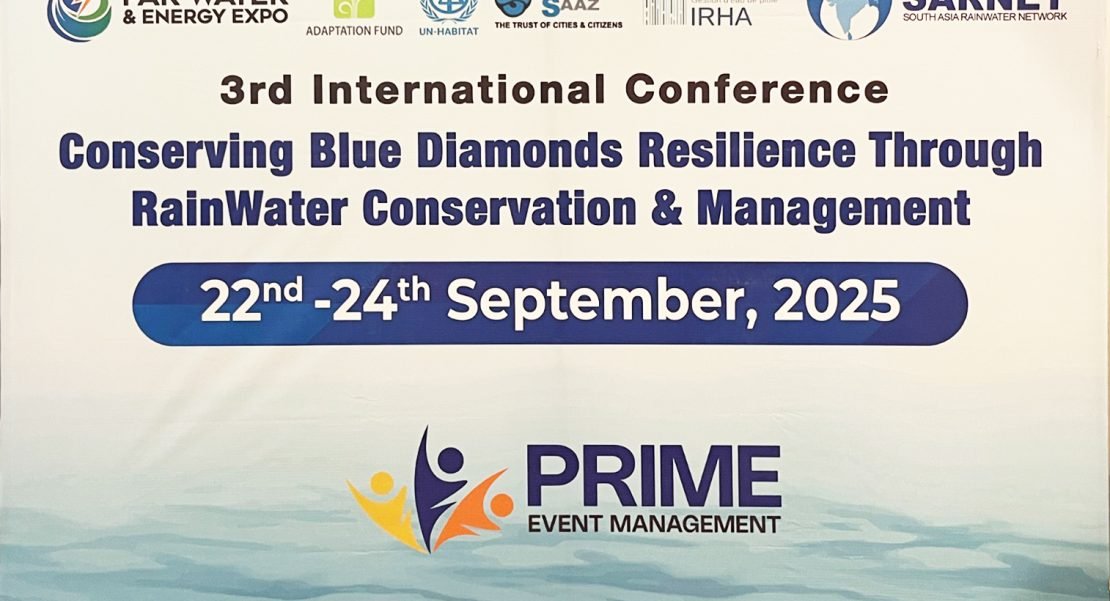
Shehersaaz Participates in SARNET International Conference 2025: “CONSERVING BLUE DIAMONDS: Creating Climate Resilience Through Rainwater Conservation & Management”

Lahore, 23rd and 24th September, 2025
Shehersaaz proudly participated and was the conference partner at the South Asia Rainwater Network (SARNET) International Conference on Rainwater Harvesting 2025, held in Islamabad, bringing together global experts, policymakers, and practitioners to deliberate on sustainable water management and climate resilience.

The two-day conference, by SARNET in collaboration with Shehersaaz as their major Conference Partners, revolved around the theme “CONSERVING BLUE DIAMONDS Creating Climate Resilience Through Rainwater Conservation & Management”. The event provided a significant platform to exchange experiences and best practices from across South Asia, Central Africa, and the Middle East, focusing on both regional and global perspectives on rainwater conservation.

The inaugural session featured a keynote address by Mr. Han Heijnen, President IRHA, Switzerland, followed by country presentations from Sri Lanka, Nepal, Bangladesh, India, Bhutan, Iran, Malawi, Afghanistan, and Pakistan. Experts shared national case studies on traditional practices, innovative technologies, and policy frameworks that are reshaping rainwater harvesting approaches globally.

Representing Shehersaaz, Ms. Anahita Sajjad, Manager Communications and Networking, delivered an insightful presentation titled “Turning Rain into Resilience: Rain Harvesting to Climate Adaptation.” Her talk highlighted Shehersaaz’s ongoing initiatives to implement rainwater harvesting systems in urban and institutional settings, addressing urban flooding, water scarcity, and climate adaptation challenges. She emphasized the organization’s community-driven approach and the integration of nature-based solutions to promote water security across cities in Pakistan.

The conference also featured technical sessions led by UN agencies, I/NGOs, and academia, including discussions on groundwater recharge, rooftop rainwater systems, and youth-led innovations for water management. Delegates collectively called for greater regional collaboration, policy coherence, and capacity-building to mainstream rainwater harvesting into national development and climate strategies.

Concluding with remarks from the Chief Guest and a vote of thanks by Engr. Syed Zaheer Hussain Gardezi, the conference reaffirmed that rainwater harvesting is not merely a conservation practice—it is a pathway to resilience and sustainable urban futures.

Shehersaaz remains committed to advocating for climate-resilient cities and water-secure communities, turning every drop of rain into an opportunity for change.