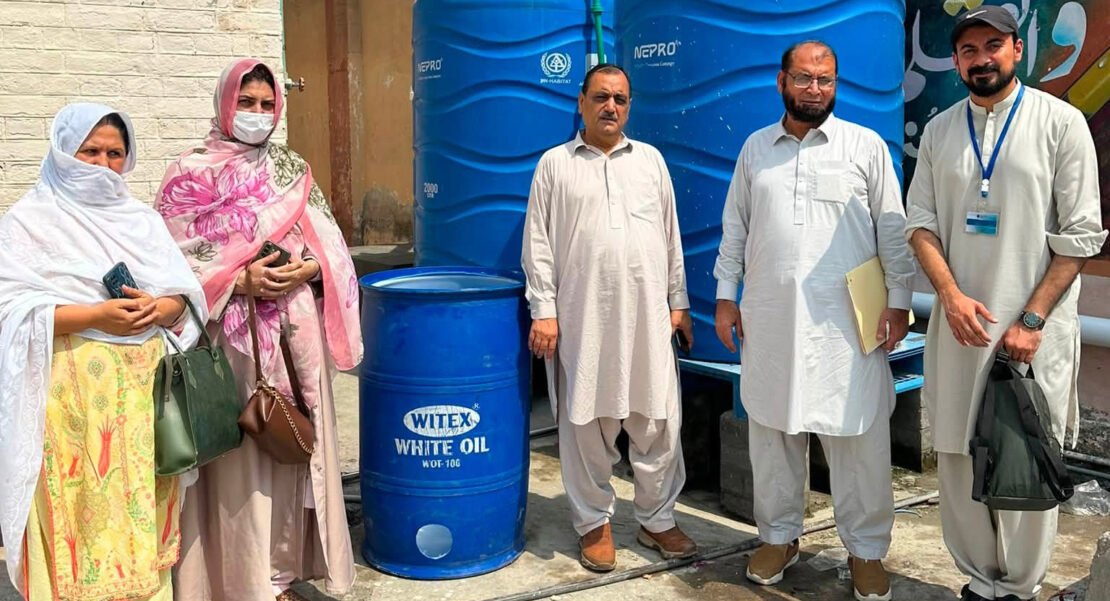
Women and Water: Rawalpindi Dialogue Highlights Gender Disparities in Water Governance

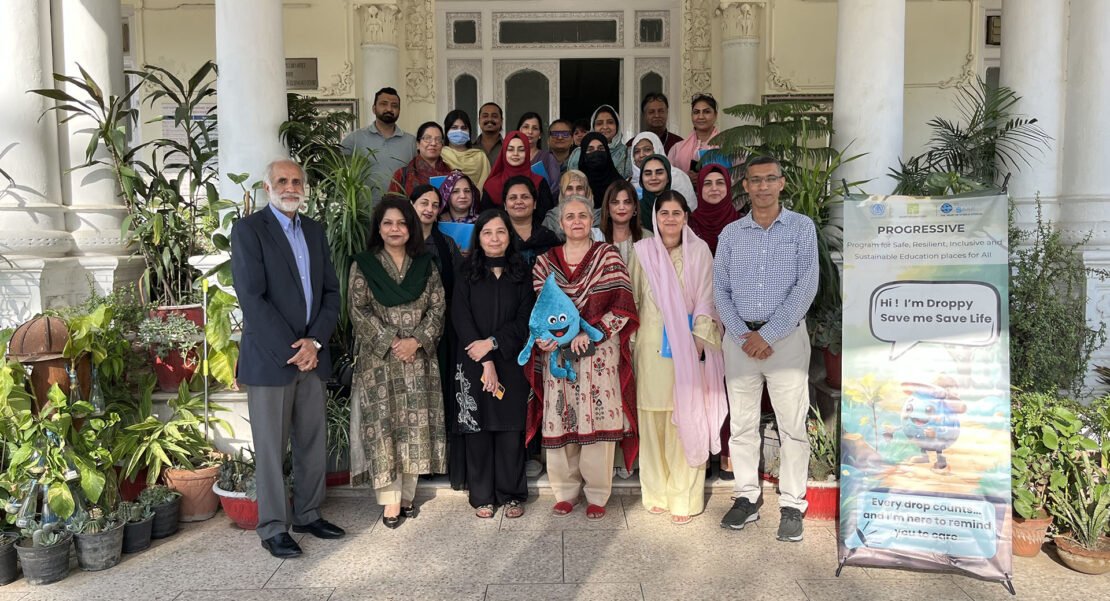
RAWALPINDIShehersaaz convened its inaugural session, on the Dialogue Series titled "Women and Water" at Fatima Jinnah Women University (FJWU), Rawalpindi. The symposium brought together academics, development practitioners, municipal authorities, researchers, and community champions to examine the gender dimensions of water governance and outline actionable strategies for urban climate resilience in Pakistan.

Organized under the Project for Urban Climate Change Adaptation and Resilience (PUCCAR), the event established a framework for evidence-based discussions on addressing water scarcity, drought, and flooding across vulnerable settlements in Rawalpindi and Nowshera.

Key Takeaway: Sustainable water management requires transitioning from superficial public awareness campaigns to long-term community ownership, backed by gender-disaggregated data and youth stewardship.


Focus Area Identified Deficit Strategic Solution
Gender Inclusion in Decision-Making Women manage daily domestic water needs but remain excluded from formal municipal planning. Enforce direct participation of women in local water management boards and governance committees.
Urban Rainwater Harvesting Higher adoption in rural zones compared to urban centers due to behavioral barriers. Deploy household-level rainwater collection units supported by urban municipal incentives.
Behavioral & Incentive Models Lack of sustained, generational resource conservation habits. Integrate practical climate stewardship into primary school curricula and introduce water/energy credit systems.

Future Trajectory

The session concluded with calls for formal partnerships between municipal authorities (such as WASA) and university researchers to design localized, gender-responsive water retention initiatives.

Following the conclusion of the Rawalpindi proceedings, the Shehersaaz Dialogue Series moves to Lahore for its second session on gender-inclusive water governance.

Shehersaaz Strengthens Climate Action Through “Integrated Rainwater Harvesting System” at NUST

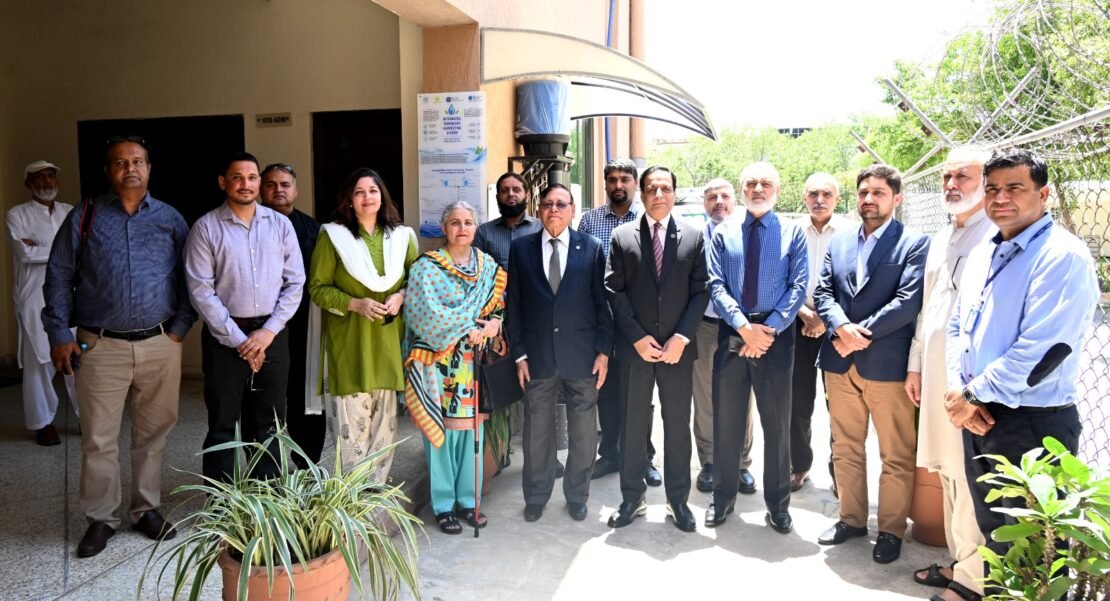
The new “Integrated Rainwater Harvesting Unit” at the NUST School of Civil and Environmental Engineering (SCEE), Islamabad, opened on June 8,2026, marked by a special ribbon cutting ceremony by NUST, Shehersaaz and UN-Habitat. Reinforcing its commitment to advancing climate-resilient and sustainable educational infrastructure across Pakistan, the initiative is implemented under PROGRESSIVE (Program for Safe, Inclusive, Resilient and Sustainable Educational Places for All), a flagship long-term program of Shehersaaz dedicated to integrating climate adaptation into public and educational spaces.

The inauguration was graced by Dr. Mohammad Irfan, Principal & Dean of SCEE, NUST, Mr. Jawed Ali Khan, Senior Advisor/Country Programme Manager, UN-Habitat and Ms. Almas Shakoor, Executive Director of Shehersaaz, along with distinguished representatives from UN-Habitat, Shehersaaz, and the faculty of SCEE NUST.

Designed to capture and utilize rainwater efficiently, the system will directly benefit over 1,000 students and faculty members, reducing dependence on conventional water sources and promoting sustainable water resource management. Beyond its operational value, the installation serves as a practical learning model for students, researchers, and future engineers, demonstrating real-world applications of climate-smart infrastructure.

According to NUST 80% students are using the facility and benefiting from it.

The project is part of the broader PUCCAR Project for Urban Climate Change Adaptation and Resilience, implemented by Shehersaaz in partnership with UN-Habitat and supported financially by the Adaptation Fund, highlighting the strength of global-local collaboration in addressing urban climate challenges.

During the event, NUST leadership appreciated Shehersaaz’s impactful intervention and expressed interest in expanding similar sustainability initiatives, recognizing the importance of scaling climate-resilient infrastructure in academic institutions.
Through visionary leadership and consistent delivery of innovative solutions, Shehersaaz continues to position itself as a leading force in climate adaptation, urban resilience, and sustainable development in Pakistan, transforming environmental challenges into opportunities for long-term impact and community benefit.

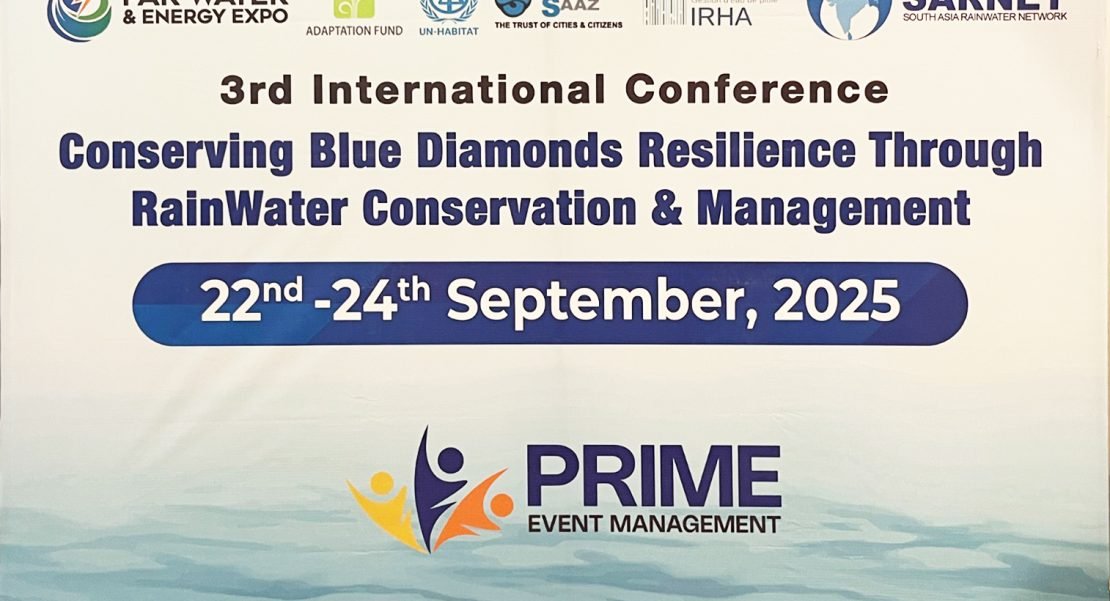
Shehersaaz Participates in SARNET International Conference 2025: “CONSERVING BLUE DIAMONDS: Creating Climate Resilience Through Rainwater Conservation & Management”

Lahore, 23rd and 24th September, 2025
Shehersaaz proudly participated and was the conference partner at the South Asia Rainwater Network (SARNET) International Conference on Rainwater Harvesting 2025, held in Islamabad, bringing together global experts, policymakers, and practitioners to deliberate on sustainable water management and climate resilience.

The two-day conference, by SARNET in collaboration with Shehersaaz as their major Conference Partners, revolved around the theme “CONSERVING BLUE DIAMONDS Creating Climate Resilience Through Rainwater Conservation & Management”. The event provided a significant platform to exchange experiences and best practices from across South Asia, Central Africa, and the Middle East, focusing on both regional and global perspectives on rainwater conservation.

The inaugural session featured a keynote address by Mr. Han Heijnen, President IRHA, Switzerland, followed by country presentations from Sri Lanka, Nepal, Bangladesh, India, Bhutan, Iran, Malawi, Afghanistan, and Pakistan. Experts shared national case studies on traditional practices, innovative technologies, and policy frameworks that are reshaping rainwater harvesting approaches globally.

Representing Shehersaaz, Ms. Anahita Sajjad, Manager Communications and Networking, delivered an insightful presentation titled “Turning Rain into Resilience: Rain Harvesting to Climate Adaptation.” Her talk highlighted Shehersaaz’s ongoing initiatives to implement rainwater harvesting systems in urban and institutional settings, addressing urban flooding, water scarcity, and climate adaptation challenges. She emphasized the organization’s community-driven approach and the integration of nature-based solutions to promote water security across cities in Pakistan.

The conference also featured technical sessions led by UN agencies, I/NGOs, and academia, including discussions on groundwater recharge, rooftop rainwater systems, and youth-led innovations for water management. Delegates collectively called for greater regional collaboration, policy coherence, and capacity-building to mainstream rainwater harvesting into national development and climate strategies.

Concluding with remarks from the Chief Guest and a vote of thanks by Engr. Syed Zaheer Hussain Gardezi, the conference reaffirmed that rainwater harvesting is not merely a conservation practice—it is a pathway to resilience and sustainable urban futures.

Shehersaaz remains committed to advocating for climate-resilient cities and water-secure communities, turning every drop of rain into an opportunity for change.