World Environment Day & Ain-Amal Awards 2024


World Environment Day &

Ain-Amal Awards 2024


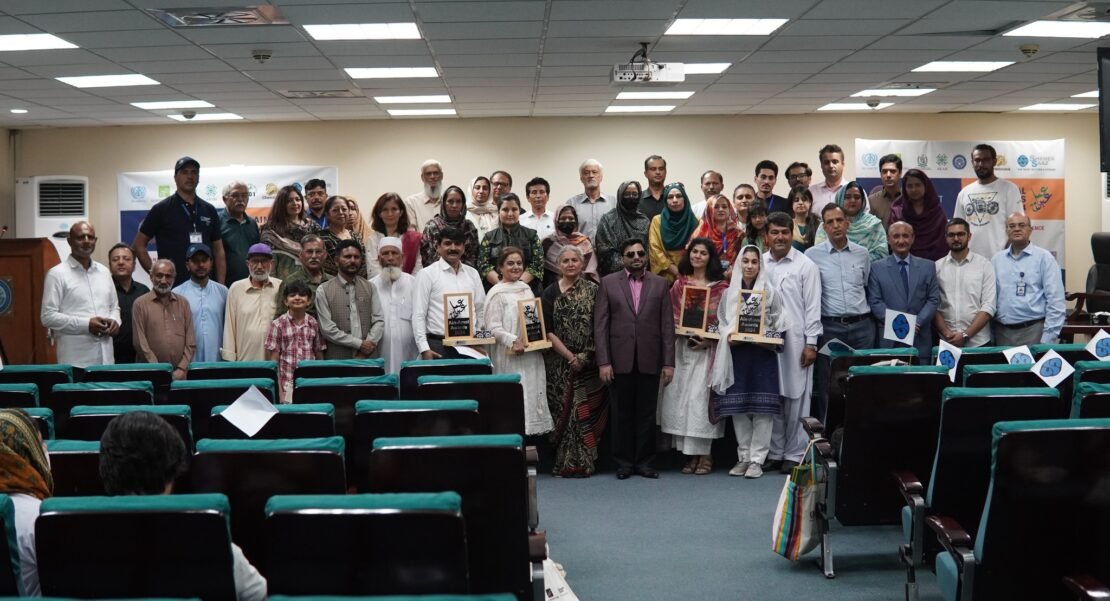
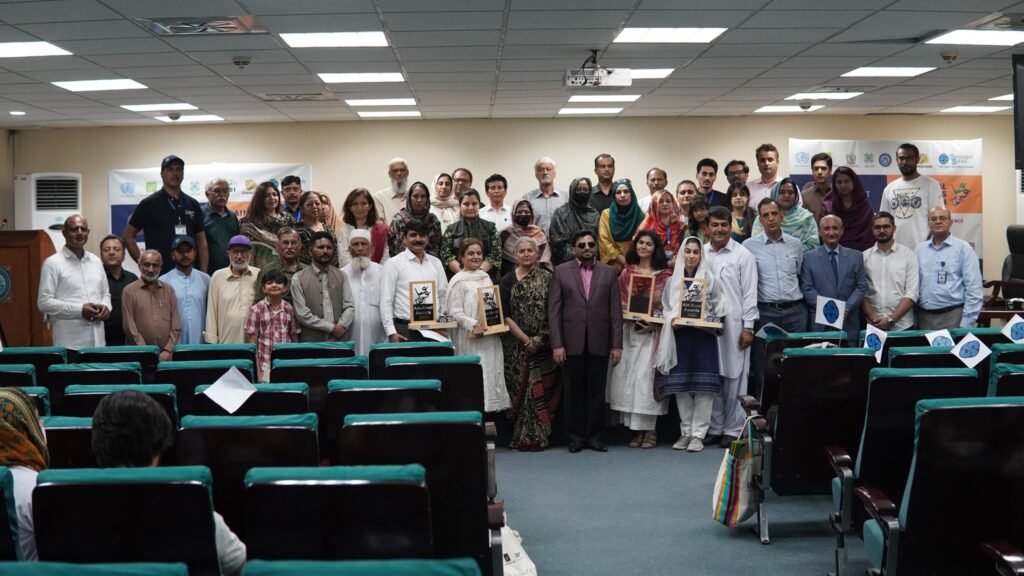
June 5, 2024 SHEHERSAAZ hosted a significant event at NUST Islamabad, in celebration of World Environment Day. 

The event, which focused on the theme of land degradation, desertification, and drought resilience, was held in partnership with the Aga Khan Agency for Habitat (AKAH), Cheezious and FM101, supported by UN-Habitat, Adaptation Fund and Ministry of Climate Change. 

Notable guests included Ms. Nusrat Nasab CEO AKAH who shared insightful remarks, Principal and Dean SCEE, Mr. Muhammad Irfan, who shared his remarks, and Dr. Rizwan Riaz, Pro-Rector (RIC) NUST, who congratulated Shehersaaz and their partners on the successful event.

A dynamic panel discussion was also held, addressing critical environmental challenges and potential solutions for building resilience against desertification and drought. An Environment Song was showcased which really built up energy by Mr. Furqan Ahmad, an impactful drama was also presented by students of NUST by the name "Faryad" which truly took away lots of praise. Call for Environment Movies was made by Mr.Syed Husnain Raza, founder PIWEFF. Videos on Land Degradation and Death of a River were presented by Shehersaaz. 

Winners of Ain-Amal Awards were presented the first living awards in Pakistan ever to be presented in celebrating green projects and initiatives. Winners were also presented cash prizes along with cerificates.


3-Day School Based Basic First Aid Trainings


School Based Basic First Aid Trainings


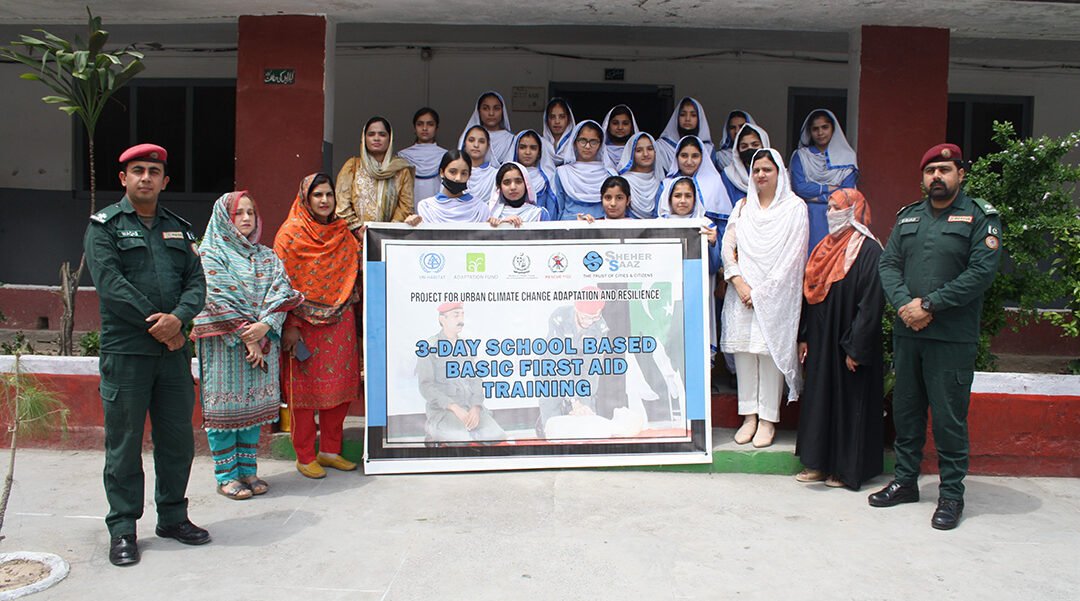
As part of our ongoing (Project for Urban Climate Change Adaptation and Resilience-PUCCAR) Disaster Risk Reduction (DRR) activities Shehersaaz in collaboration with Rescue 1122, recently conducted a pioneering certified training session on Basic First Aid, marking a significant stride in disaster risk reduction. 

Over three days May 2nd to May 4th, 2024 students and teachers from the Govt. MC Girls High School Ratta Amral, were equipped with crucial skills in communication, safety protocols, bleeding control, and CPR. These workshops play a pivotal role in empowering communities with lifesaving techniques and fostering a culture of preparedness.
Such training sessions are indispensable as they not only enhance individual capacity but also bolster community resilience in the face of emergencies. By imparting knowledge on immediate response measures, they enable individuals to take proactive steps in mitigating risks and providing timely assistance. Moreover, these workshops foster a sense of collective responsibility, encouraging participants to become agents of change within their communities. Thanks to Rescue 1122 and their Master Trainers for their amazing practical and interactive training sessions which were truly an exciting learning experience. These Trainings shall continue and Shehersaaz will keep providing the opportunity to other Public/Govt School in Rawalpindi in order to prepare the students and teachers to be well equipped while dealing with emergencies. 

In a world fraught with uncertainties, the importance of first aid training cannot be overstated. It serves as a cornerstone in building a safer and more resilient society, where every individual is equipped to respond effectively in times of crisis. Through such initiatives Shehersaaz take strides towards a future where lives are safeguarded, and communities stand united in the face of adversity. We are thankful to our donor Adaptation Fund and UN-HABITAT for providing us the financial support in making a positive impact in our communities and be prepared for any unforeseen emergency.


2024-02-13 - Stakeholders Meeting on SDG 11 and 13

Stakeholder Meeting on Sustainable Development Goals 11 and 13


Stakeholder Meeting Focused on Sustainable Development Goals (SDGs) 11 and 13 by Shehersaaz in collaboration with SDG Section, Ministry of Planning and Special Initiatives (MoP&SI)


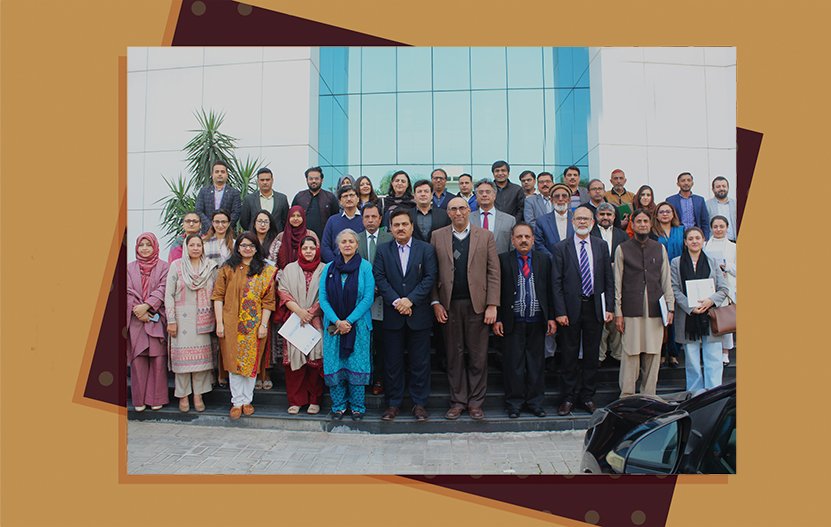
Shehersaaz in collaboration with the SDG Section convened a pivotal stakeholder meeting centered around Sustainable Development Goals (SDGs) 11 and 13 on February 13, 2024 at the esteemed PPMI Complex in Islamabad. This gathering served as a platform to facilitate dialogue, share insights, and devise actionable strategies in pursuit of these paramount SDGs.

The meeting commenced with the solemn recitation of the Holy Quran emphasizing the profound spiritual underpinnings guiding our collective efforts towards sustainable development.

Ms. Almas Shakoor, Executive Director of Shehersaaz, extended a warm welcome to the esteemed attendees, stressing the pressing need for collective action to address the challenges posed by urbanization and climate change.

Mr. Zafar ul Hassan, the esteemed Joint Chief Economist of the Government of Pakistan, graced the occasion as the keynote speaker, offering invaluable insights into the economic dimensions and policy implications underlying SDGs 11 and 13.

He opened that the representative local governments do not exist and local urban affairs are managed by bureaucracy, he mentioned that we are a classic example of economic growth without development, he was also of the view that it’s an irony that 80% of taxes are collected from urban areas however cities do not receive reciprocal attention from the decision makers. There is a need to invest in urban services and infrastructure and Urban development needs to be appropriately incorporated in the upcoming 5 year plan so that the new government can take this agenda forward.

Following this, Ms. Almas Shakoor provided an insightful introduction to Shehersaaz and its flagship initiative, the Project for Urban Climate Change Adaptation and Resilience (PUCCAR), reaffirming the organization's steadfast commitment to fostering sustainable urban development.

The status of SDGs was eloquently presented by Ms. Rida Najam, Assistant Chief of the SDG Section, she highlighted that by 2030 according to SDG index projected results there will be 20% expected gaps in the achievement of the planned targets.

Ms. Aiman Amjad, Assistant Chief of the SDG Section shared a comprehensive analysis of SDGs 11 and 13. She shared that SDG 11 deals with 10 areas however the data is available for only 4 of them. She put forward two important questions for the stakeholders 1- Why data is missing and 2- how to accelerate the progress for SDG 11 and 13.

A compelling video presentation further enriched the discourse, offering a nuanced understanding of the challenges and opportunities inherent in SDGs 11 and 13.


Panel Discussion:

The focal point of the meeting was the esteemed panel discussion on the status of SDGs 11 and 13, where distinguished panelists lent their expertise, highlighting critical gaps, challenges, and potential solutions to accelerate progress. The esteemed panelists included:

1.Mr. Javed Ali Khan, Country Program Manager, UN-Habitat

  1. Mr. Abdul Shakoor, Chairperson Shehersaaz
  2. Ms. Nusrat Nasab, CEO Agha Khan Agency for Habitat, Pakistan
  3. Mr. Muhammad Ali Kemal, Chief SDG Section
  4. Dr. Fahad Saeed, CEO, WENCLIMS

Each panelist eloquently articulated their perspectives, fostering a rich exchange of ideas.

According to Mr. Javed Ali Khan Cities are engines of economic growth but it is high time to consider that if engine is not performing well how the vehicle will move forward, he mentioned that UN-Habitat is providing technical support to Federal and Provincial Govt in various areas for the achievement of SDG 11.

Ms. Nusrat Nasab was of the view that if we adopt a right vision for urban development there are possibilities to improve the urban development discourse in Pakistan, she informed the participants that Agha Khan Network is the focal agency for Urban Development and Climate change and undertaking various projects in these areas. She also emphasized that cities cannot progress without reforming unless individuals become responsible citizens.

Mr. Abdul Shakoor Sindhu was of the view that our cities can offer abundant opportunities for economic and social growth provided we adopt right course of action, he highlighted that there is an urgent need for Urban Land Reforms to counter the land hoarding that is discouraging affordable housing and public centric just development. He suggested that union councils and neighborhood councils are the basic administrative units in Pakistan but there is a need to make them as a basic development unit and Data can easily be generated at Union Council Level. Mr. Sindhu highlighted, that cities across the country need fiscal space so that they can raise revenues to fulfill their own budget needs and are financially self sufficient.

Mr. Ali Kemal said that they face challenges in collecting data from relevant federal ministries and provincial departments, he informed that according to one view 80% of Pakistan’s Population has become urban. Local govt especially urban authorities need to regularly undertake urban surveys to address the serious gap in Urban data

Mr. Fahad Saeed mentioned for Pakistan climate change revolves around Adaptation, he highlighted that Pakistan’s geographical location makes it vulnerable to climate induced hazards. Climate change adaptation is a bottom-up approach so we need to focus on community-based adaptation, side by side we need to take into account the factors like reducing population growth improving gender equality and empowering women. All these issues are closely interlinked. We need local solutions instead of relying solely on consultant advised development recipes.


Event Photo Gallery


Training of Trainers in Rawalpindi and Nowshera to Promote Sustainable Living

Training of Trainers in Rawalpindi and Nowshera to Promote Sustainable Living


Empowering Communities:

Successful TOTs in Rawalpindi and Nowshera Promote Sustainable Living


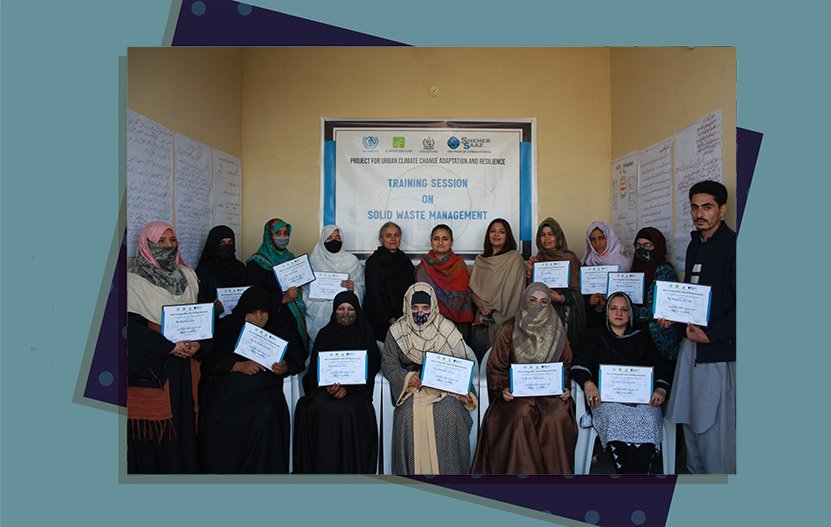
In a bid to foster sustainable living practices, the month of December witnessed transformative Training of Trainers (TOTs) in both Rawalpindi and Nowshera cities under the PUCCAR Project. The trainings, led by the Executive Director, Ms. Almas, brought together enthusiastic women from these cities to undergo a comprehensive two-day training program.

The primary focus of the TOTs was to empower the selected women with the skills and knowledge required for effective Solid Waste Management, a crucial component of the PUCCAR Project. The participants, chosen for their active and passionate approach, were immersed in hands-on sessions on compost-making and underwent assessments to enhance their general knowledge of recycling practices.

Ms. Almas, as the lead trainer, guided the women through the intricacies of compost production and shared valuable insights on the broader aspects of recycling. The training sessions weren't just theoretical; the participants were actively engaged through presentations, fostering a dynamic learning environment.
The PUCCAR Project aims to address critical aspects of community development, with Solid Waste Management being a pivotal component. The objective is to equip individuals with the skills to manage waste effectively, contributing to a cleaner environment and improved community well-being.

As the training concluded, these newly-minted trainers are now poised to extend their knowledge to their own communities. Armed with the ability to teach others about compost-making and sustainable practices, these empowered women are set to make a significant impact on their communities. The ripple effect is expected to create a network of self-sufficient households, promoting food security and enhancing overall community resilience.

The success of the TOTs in Rawalpindi and Nowshera marks a significant step towards achieving the goals of the PUCCAR Project. The dedication and passion exhibited by the participating women highlight the potential for positive change and community development through education and empowerment. As these trainers step into their communities, they embody the spirit of progress and sustainability, fostering a brighter and more resilient future for all.


1 2 3 4 5 6