Sheher Seminar 2025 – A Landmark Reflection on Islamabad’s 65 Year Journey
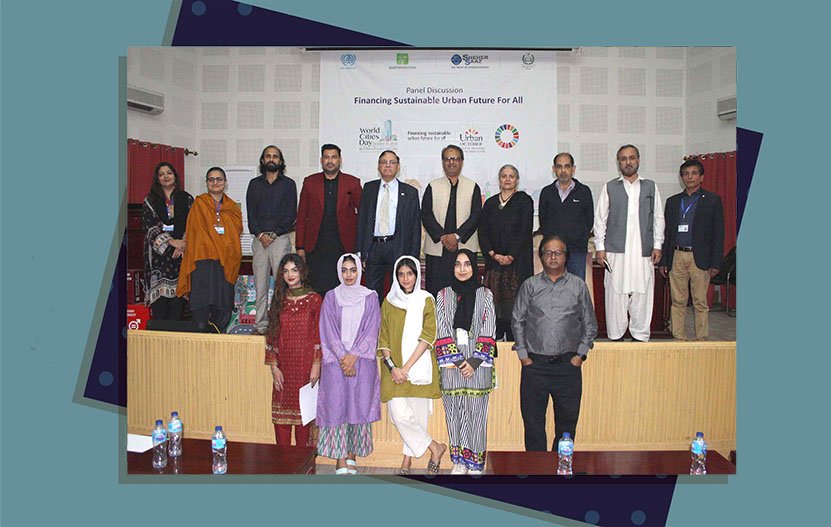
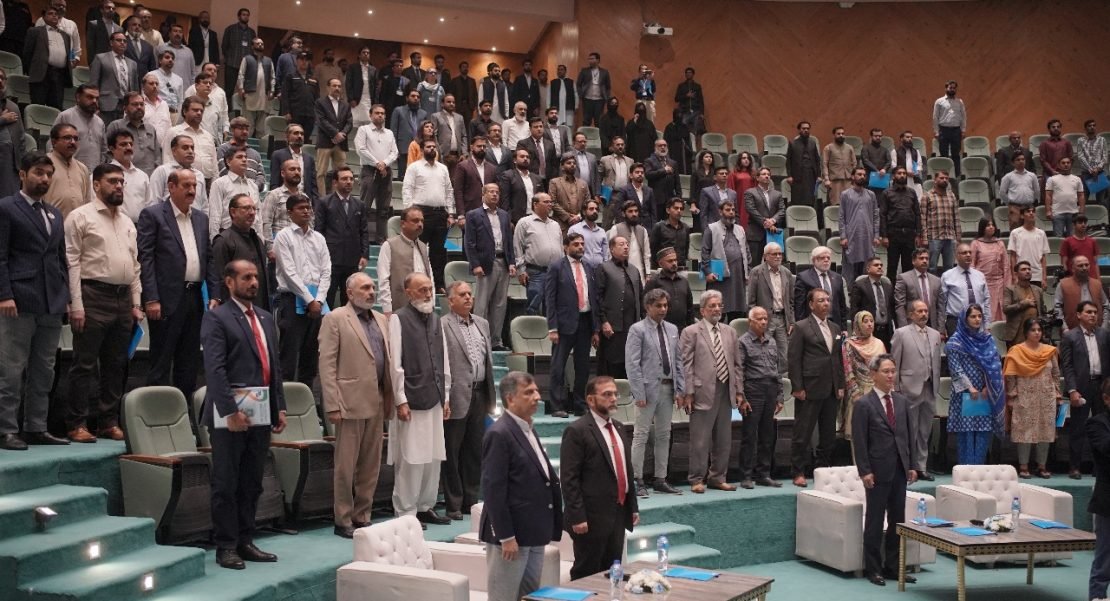
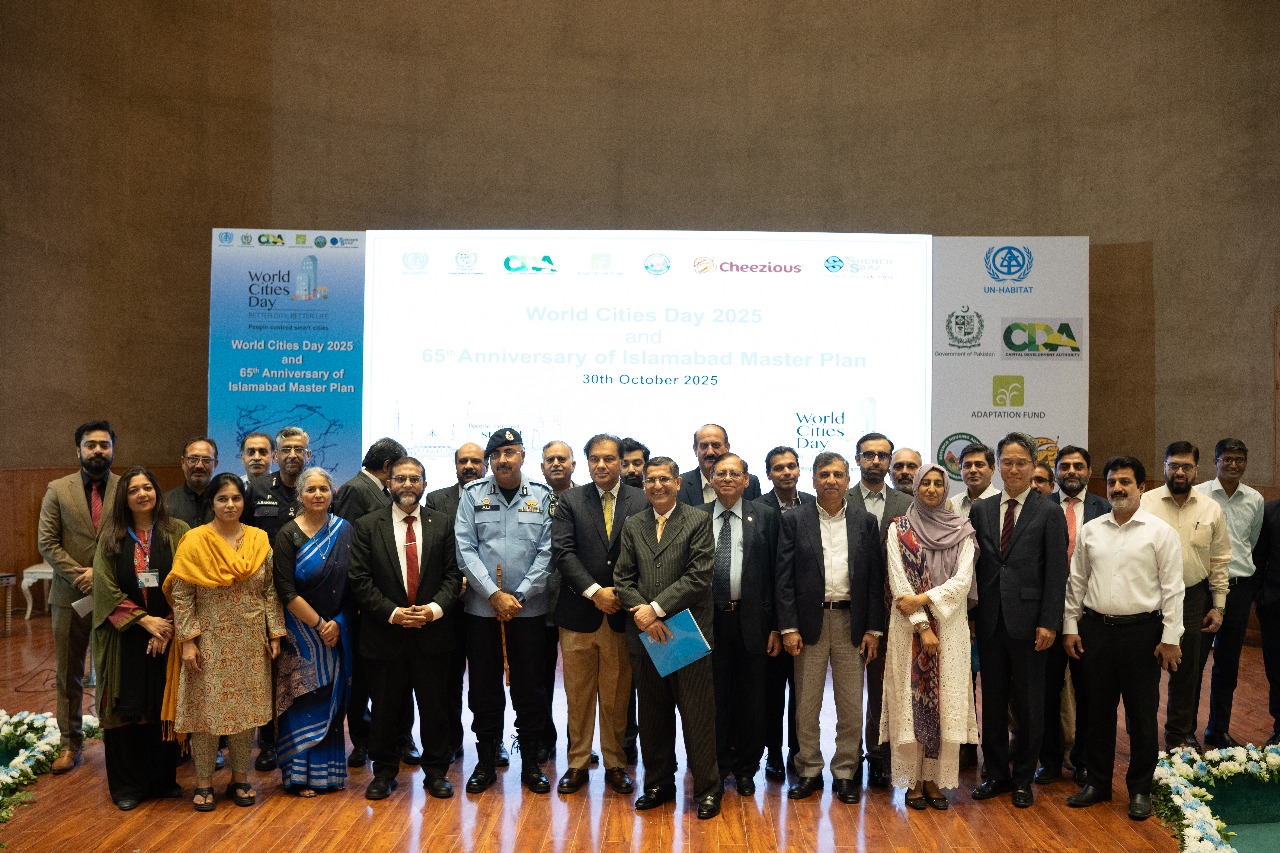
Islamabad was witness to one invigorating morning of dialogue, insight, and urban vision as Shehersaaz, the leading voice for sustainable cities in Pakistan, gathered national leadership, planners, and city thinkers for the Sheher Seminar. Organized in collaboration with CDA, UN Habitat, the Adaptation Fund, and DHA Islamabad, the seminar took place on October 30 and was thoughtfully aligned with the global observance of World Cities Day on October 31. By hosting the seminar a day in advance, Shehersaaz raised the bar on the importance of this occasion and put together a forceful platform to celebrate urban resilience, sustainability, and collective responsibility.
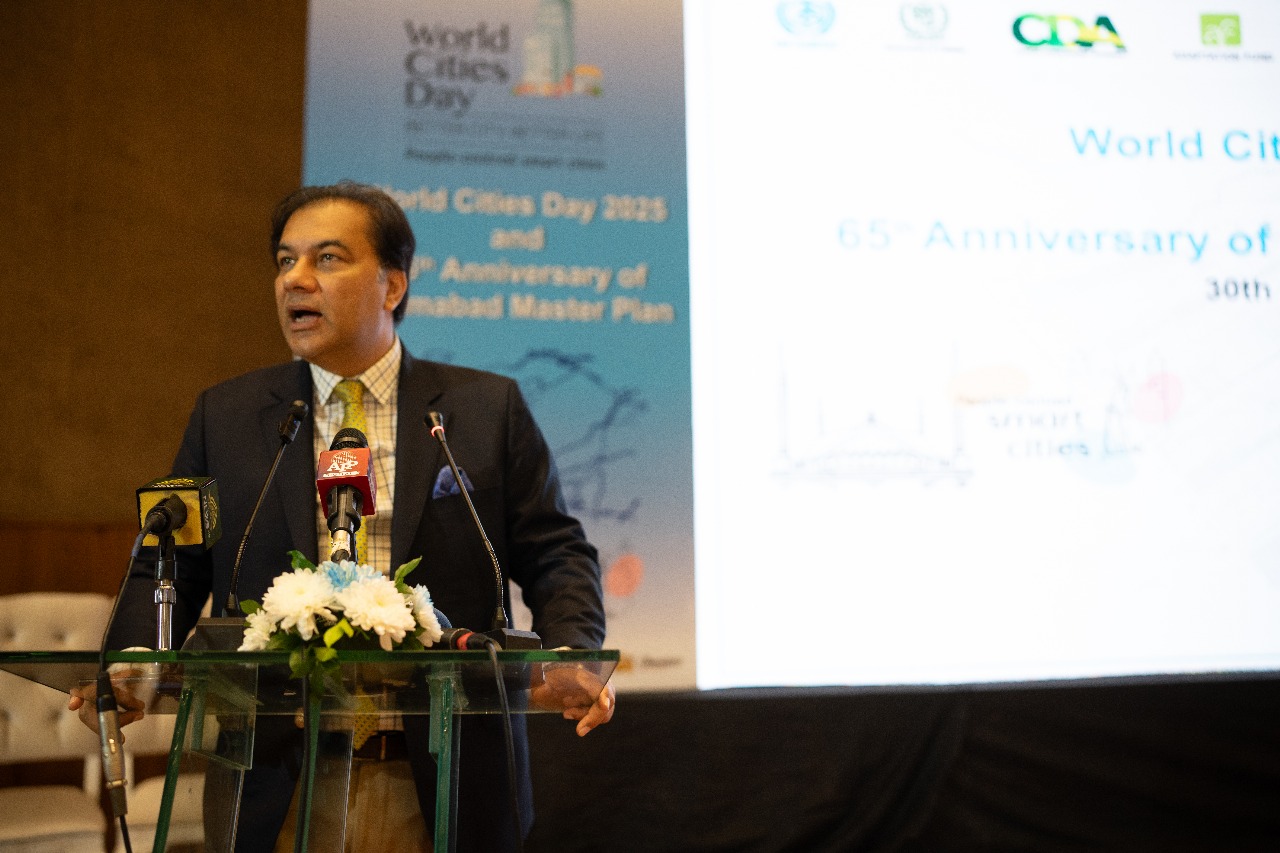
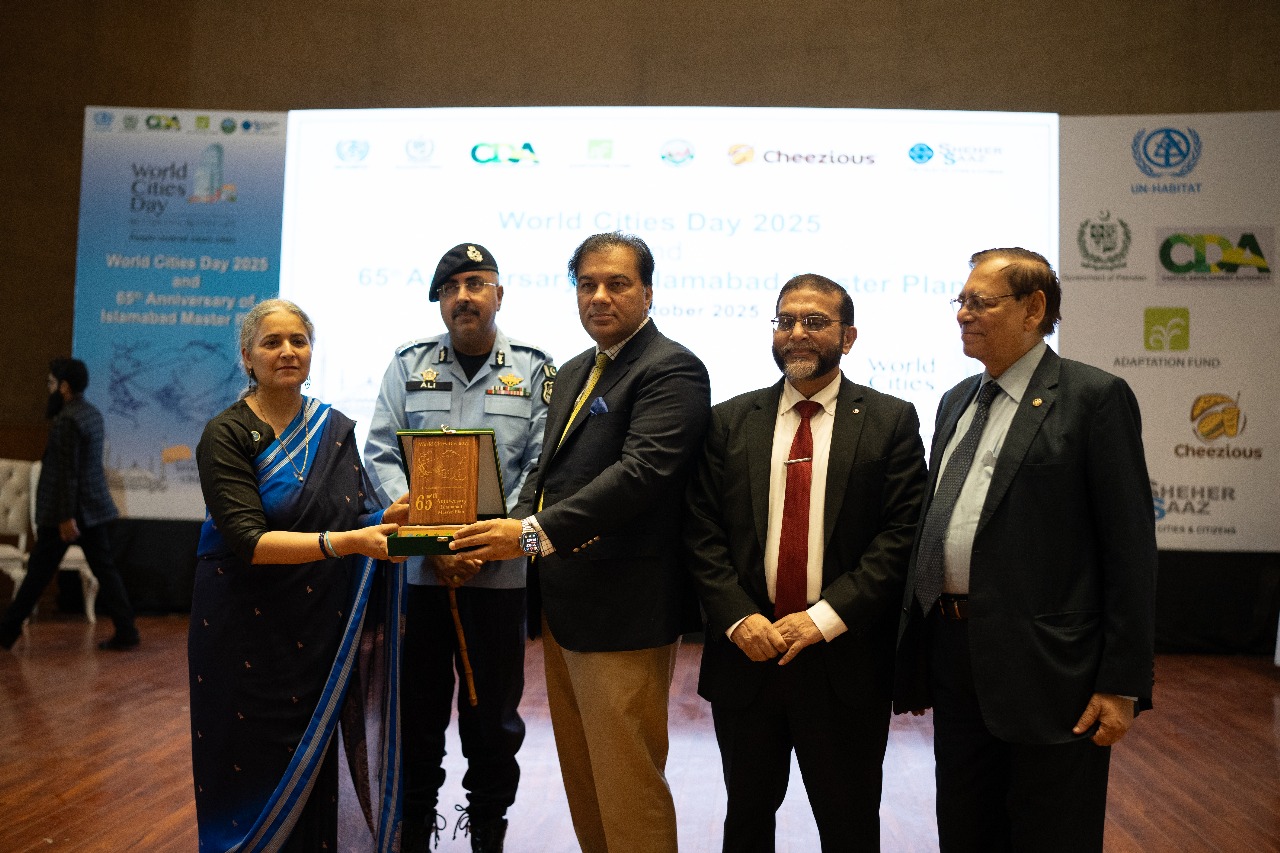
Contributions that further enriched the session were made by Ch. Muhammad Ali Randhawa, Chairman CDA; Jawed Ali Khan, Senior Advisor and HPM UN Habitat; and Ms. Almas Shakoor, Executive Director Shehersaaz. Ms. Shakoor’s vision of resilient citizen-centered cities simply underlined Shehersaaz’s leading role in guiding urban transformation in Pakistan. All put together, the speakers gave a comprehensive overview of Islamabad’s planning direction, its evolving urban landscape, and the collaborative momentum required to shape a sustainable future.
The technical session added immensely to the substance of the seminar. Expert presentations on Islamabad's planning history, its challenges related to environment, spatial growth and climate resilience followed. All these pointed to the importance of long term vision, as championed by Shehersaaz in creating adaptive and future ready cities.
A documentary titled “Islamabad 1960 to 2025. A Journey of 65 Years” introduced an artistic and historical layer in the event, prepared by the PR Directorate CDA. The film served as a visual tribute to Islamabad’s planning heritage and the aspirations that continue to define its growth. More than an anniversary observance, the Sheher Seminar attested to Shehersaaz's leadership in reimagining Pakistani cities. Through informed dialogue, meaningful partnerships, and community engagement, Shehersaaz advances its mission of promoting safe, inclusive, resilient, and sustainable cities where knowledge, creativity, and people come together with purpose and vision.
Contributions that further enriched the session were made by Ch. Muhammad Ali Randhawa, Chairman CDA; Jawed Ali Khan, Senior Advisor and HPM UN Habitat; and Ms. Almas Shakoor, Executive Director Shehersaaz. Ms. Shakoor’s vision of resilient citizen-centered cities simply underlined Shehersaaz’s leading role in guiding urban transformation in Pakistan. All put together, the speakers gave a comprehensive overview of Islamabad’s planning direction, its evolving urban landscape, and the collaborative momentum required to shape a sustainable future.
The technical session added immensely to the substance of the seminar. Expert presentations on Islamabad's planning history, its challenges related to environment, spatial growth and climate resilience followed. All these pointed to the importance of long term vision, as championed by Shehersaaz in creating adaptive and future ready cities.
A documentary titled “Islamabad 1960 to 2025. A Journey of 65 Years” introduced an artistic and historical layer in the event, prepared by the PR Directorate CDA. The film served as a visual tribute to Islamabad’s planning heritage and the aspirations that continue to define its growth. More than an anniversary observance, the Sheher Seminar attested to Shehersaaz's leadership in reimagining Pakistani cities. Through informed dialogue, meaningful partnerships, and community engagement, Shehersaaz advances its mission of promoting safe, inclusive, resilient, and sustainable cities where knowledge, creativity, and people come together with purpose and vision.