
Shehersaaz Reaches New Milestone in Climate Adaptation with Successful PROGRESSIVE Program Handover
Shehersaaz, accomplished yet another milestone by successfully concluding its PROGRESSIVE program, for which a ceremony was held in Rawalpindi. This included a formal handing over of Rainwater Harvesting Units to 18 government schools-a new benchmark toward climate-resilient and eco-sensitive learning spaces.
This occasion brought together officials from the education department, school principals, project teams, and community partners, and other stakeholders to celebrate this milestone. The CEO, District Education Authority Rawalpindi, Tariq Mehmood appreciated Shehersaaz for being a strong advocate of sustainable education through strengthening school-level resilience via practical community-centered solutions.
Project Manager Dr. Beenish gave an insightful overview of the PROGRESSIVE initiative within the project PUCCAR. She explained how each Rainwater Harvesting Unit was designed, installed, and integrated within school routines for better water security and increased environmental awareness among students and teachers alike.
A dynamic question-and-answer session with on-site engineer Abdullah further highlighted technical processes, key challenges, and the collaboration that shaped the success of the program.
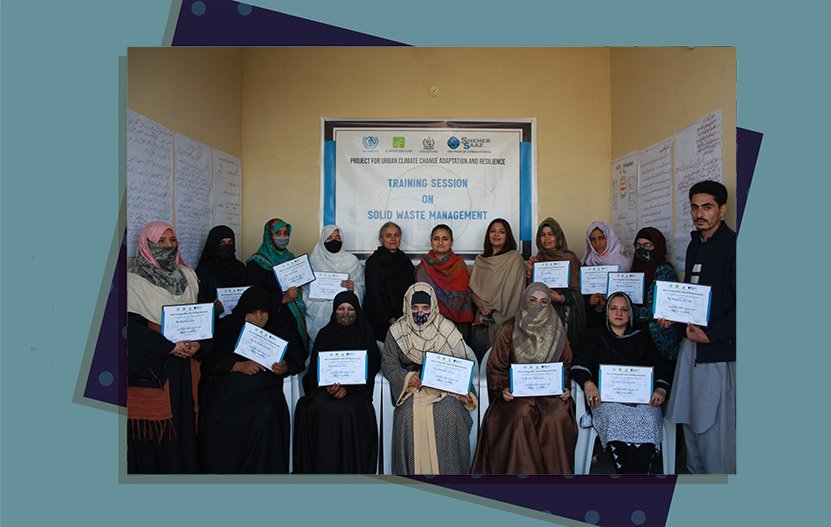
The Disaster Risk Reduction component in the PROGRESSIVE program is very robust, preparing the students for real-life challenges. Specifically targeted trainings in first aid, solid waste management, and care for the environment have equipped the students with the skills to segregate wastes, produce compost, and establish kitchen gardens in their respective schools. All these activities give hands-on practice to the students while building a culture of responsibility, preparedness, and climate consciousness.
The signing of the Memorandum of Cooperation with principals of the 18 participating schools was the defining moment of the ceremony. This is where each school formalizes its commitment to maintain the systems provided and takes full ownership of all components contributing to its transformation into a PROGRESSIVE SCHOOL.
The program, which is implemented in partnership with UN Habitat and the Adaptation Fund, comprises far more than just water-related solutions-it involves urban farming and energy-efficient measures, too, thereby transforming schools into active hubs of both resilience and sustainability.
It was followed by the 29th anniversary celebration of Shehersaaz, which marked almost three decades of leading sustainable urban development and community-based climate action. PROGRESSIVE reflects the unwavering vision and capability that constitute Shehersaaz's success. Combining innovation and collaboration to engage with communities, Shehersaaz further shapes smarter, safer, and more sustainable cities for future generations.
This occasion brought together officials from the education department, school principals, project teams, and community partners, and other stakeholders to celebrate this milestone. The CEO, District Education Authority Rawalpindi, Tariq Mehmood appreciated Shehersaaz for being a strong advocate of sustainable education through strengthening school-level resilience via practical community-centered solutions.
Project Manager Dr. Beenish gave an insightful overview of the PROGRESSIVE initiative within the project PUCCAR. She explained how each Rainwater Harvesting Unit was designed, installed, and integrated within school routines for better water security and increased environmental awareness among students and teachers alike.
A dynamic question-and-answer session with on-site engineer Abdullah further highlighted technical processes, key challenges, and the collaboration that shaped the success of the program.
The Disaster Risk Reduction component in the PROGRESSIVE program is very robust, preparing the students for real-life challenges. Specifically targeted trainings in first aid, solid waste management, and care for the environment have equipped the students with the skills to segregate wastes, produce compost, and establish kitchen gardens in their respective schools. All these activities give hands-on practice to the students while building a culture of responsibility, preparedness, and climate consciousness.
The signing of the Memorandum of Cooperation with principals of the 18 participating schools was the defining moment of the ceremony. This is where each school formalizes its commitment to maintain the systems provided and takes full ownership of all components contributing to its transformation into a PROGRESSIVE SCHOOL.
The program, which is implemented in partnership with UN Habitat and the Adaptation Fund, comprises far more than just water-related solutions-it involves urban farming and energy-efficient measures, too, thereby transforming schools into active hubs of both resilience and sustainability.
It was followed by the 29th anniversary celebration of Shehersaaz, which marked almost three decades of leading sustainable urban development and community-based climate action. PROGRESSIVE reflects the unwavering vision and capability that constitute Shehersaaz's success. Combining innovation and collaboration to engage with communities, Shehersaaz further shapes smarter, safer, and more sustainable cities for future generations.